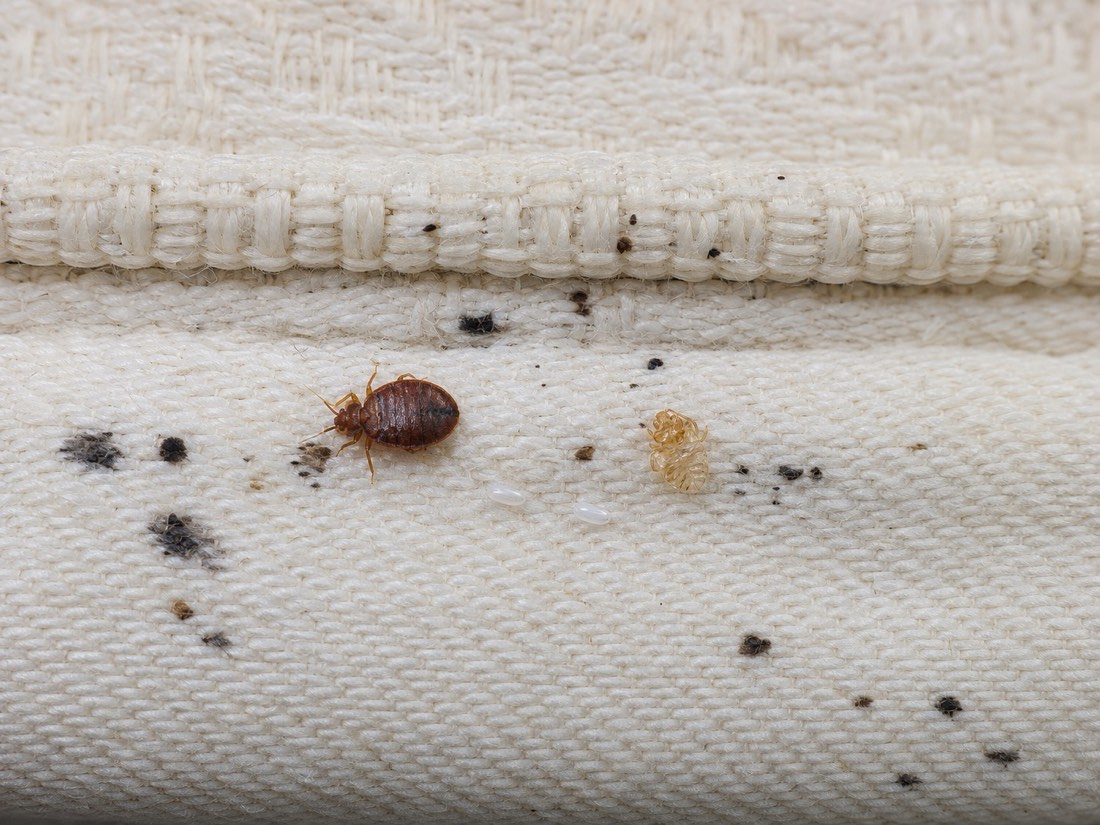
- Nymphs and adults can survive months without a blood meal, which is unusual for insects.
- In heated buildings the typical figure is about 1 to 4 months, but cold can stretch it to a year or more.
- An empty room does not clear the problem, because bed bugs can wait for a host to return.
- Heat, freezing for long enough and professional treatment work better than starving them.
The short answer: months, not days
Bed bugs are unusual insects. The University of Kentucky says nymphs and adults can persist for months without feeding. Most insects cannot do that.
The exact figure depends on the conditions. In a heated home the typical range is shorter than in a cold building. That is why you will see different numbers quoted, and why none of them is a promise.
What the sources say about timing
Two university sources give figures, and they agree on the pattern.
- The University of Kentucky gives about 1 to 4 months in temperature-controlled buildings. It adds that survival can reach a year or longer at 55°F (about 13°C) or less.
- UC IPM says bed bugs can go without feeding for 20 to 400 days, depending on temperature and humidity. It notes that adults have survived more than 400 days in laboratory conditions at low temperatures.
Note that these are survival times, not typical times. A bed bug in a warm bedroom with a sleeper nearby will not wait for months. It will feed when it can. The long figures matter when the host is away, and that is when people ask this question.
Why an empty room is not a cure
Many people ask whether they can leave a room, or the whole home, unused until the insects die. The CDC says bed bugs can live several months without a blood meal, which allows them to persist in vacant spaces.
Because of this, a long holiday or a spare room kept shut is not a reliable treatment. The insects may still be there when you return. They may also be hungry, so bites can start again soon after you come back.
The same logic applies to bags and boxes. Sealing an item for a few weeks will not necessarily clear it. Our guide on preparing for bed bug treatment explains how to handle belongings in a way that works.
How the life cycle fits in
Each stage can wait for a meal. If you want the full picture, read our guide to the bed bug life cycle. It shows how eggs, nymphs and adults differ, and why a single missed insect can restart a problem.
That also explains why a home can seem clear after treatment and then show new activity. We cover that in what to expect after treatment. Checking in the weeks that follow is part of the process, not a sign you did something wrong.
Temperature and humidity change the answer
Both university sources tie survival to the climate inside the building. UC IPM names temperature and humidity. The University of Kentucky shows the effect clearly, because the same insect can last a few months in a warm flat and far longer in a cold one.
For example, an unheated spare room or holiday let in winter may keep bed bugs alive longer than a heated bedroom would. However, the sources do not give a safe waiting time for any room. So do not treat a cold, empty room as a clean one.
Common mistakes to avoid
Some habits waste time because of the long survival period.
- Moving out for a few weeks and expecting the problem to end. Since the insects can wait, they may simply be there on your return.
- Dismissing a few quiet weeks as proof they are gone. Because bed bugs can go months without a meal, a gap in bites does not show the problem has ended.
- Relying on one freeze or one wash. The NHS gives times for each, so follow them exactly, and apply them only to items that suit the method.
What the figures do not tell us
The numbers describe how long an insect can survive. They do not say how many are in your home, or where. Therefore, treat them as a reason for caution, not as a countdown.
In practice, a quiet spell has two possible meanings. The insects may be gone, or they may be waiting. Only a careful check can tell the difference, which is why a routine inspection is more useful than guessing from the calendar.
What does work better than waiting
The NHS says professional pest control is recommended, because bed bugs can be hard to find and may resist some insecticides. It also lists home measures. These include washing bedding at 60°C and freezing items for 2 to 3 weeks.
Those home measures suit small items. They do not reach a mattress, a bed frame or a sofa. For a whole-room problem, a trained professional can use methods that the public cannot buy.
You can also use time to your advantage in one way. Regular checks catch bed bugs while numbers are low. Our guide to checking your bed shows a simple routine, and our piece on what attracts bed bugs explains why the bed is the first place to look.
Pets, empty homes and second homes
If you are away often, or you have a second home, the survival figures matter more. The insects may be waiting when you arrive. Our guide to bed bugs and pets covers what owners should know when animals share the home.
Where to start
Start with a calm check of the bed and the furniture next to it. Use a torch and look at seams, joints and the headboard. Then decide whether to ask for help.
Council routes differ across the UK. You can read how council pest control in Plymouth and council pest control in Coventry work, as examples, and compare them with help with bed bugs in Leicester. Our main guide to identifying bed bugs gathers every identification topic in one place.
This site is an information and referral service. It is not a pest control contractor.
Questions people also ask
How long can bed bugs live without feeding?
UC IPM says 20 to 400 days, depending on temperature and humidity. The University of Kentucky says about 1 to 4 months in temperature-controlled buildings, and up to a year or longer at 55°F (about 13°C) or less.
Will bed bugs die if I leave the house empty?
Not quickly. The CDC says bed bugs can live several months without a blood meal, so they can persist in vacant spaces. Leaving a home empty is not a dependable treatment.
Can I freeze bed bugs instead?
The NHS says freezing items for 2 to 3 weeks is one home measure. It suits small items that fit in a freezer. It does not deal with the bed, the room or the furniture.
Do bed bugs need to feed every night?
No. The sources describe nymphs and adults persisting for months without feeding. They feed when they can reach a host, but they do not need a meal every night to survive.
Sources and review notes
This page is written by the BedbugExtermination.co.uk editorial team. It has not yet been reviewed by an independently named pest-control professional. Health and pesticide statements are kept within the scope of the official sources below.
- Bed bugs in the home
University of Kentucky Entomology - Bed bugs: pest notes
University of California IPM Program - About bed bugs
Centers for Disease Control and Prevention - Bedbugs
NHS