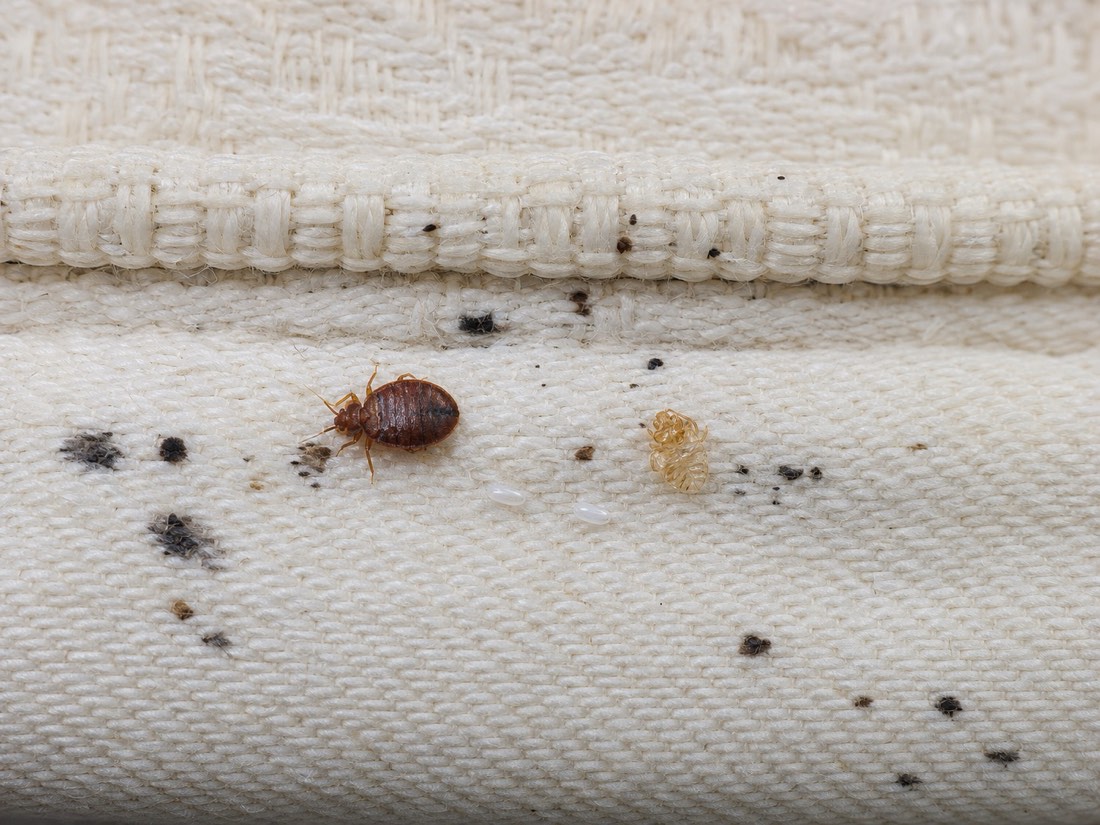
- Skin appearance alone cannot identify bed bugs.
- Different occupants can react differently in the same room.
- Spreading pain or swelling needs medical attention under current NHS advice.
- Inspect the room separately from treating the skin reaction.
- The NHS says bites usually clear up on their own within a week or so.
- Call 999 for signs of a serious allergic reaction, such as a swelling throat or struggling to breathe.
What the NHS says about bed bug bites
This section sets out what the NHS bedbug page says. We are not a health service, so use it as your first source for the skin, because it is written for the UK.
- Look and feel: bites are raised and itchy. They are often in a line or grouped together.
- Colour: on white skin they usually look red or pink. On black or brown skin they may look brown, red or purple, and they are harder to see.
- Where: bites often appear on exposed skin, such as the face, neck and arms.
- How long: they usually clear up on their own within a week or so.
- Rare but serious: some people react strongly, with severe itching and painful swelling. A severe allergic reaction (anaphylaxis) is possible but rare.
How to treat bed bug bites
First, here is the NHS advice for bed bug bites. It is simple:
- Put something cool on the area, such as a clean, damp cloth.
- Keep the area clean.
- Avoid scratching, which can lead to infection.
- Ask a pharmacist about mild steroid cream such as hydrocortisone, or antihistamines if itching stops you sleeping.
Also, the NHS says children under 10 and pregnant women should see a doctor before using hydrocortisone. The NHS also advises against home remedies such as bicarbonate of soda for insect bites.
How bed bug bites differ from other bites
Many bites look alike, so the pattern is a clue, not proof. The NHS describes two common look-alikes:
- Flea bites are usually found in groups below the knees.
- Mosquito bites are small, raised and itchy.
However, bed bug bites are often in a line or group and often on exposed skin. That overlaps with other insects, so a pattern alone is still weak evidence. If you have pets, read how to tell bed bugs from fleas. Even then, only physical evidence in the room settles it.
Pictures of bed bug bites: why they mislead
Many people search for bed bug bite pictures. Photos can show the general look. However, the same skin can look different from one person to the next.
Colour changes with skin tone, and scratching changes the mark. So a picture cannot tell you which insect bit you. This site does not host bite photos for that reason. Use the NHS page for descriptions, while the room check gives the real answers.
A bite is a health sign, not an insect identification
Bed bug bites in the UK are one of the most common reasons people start looking for an infestation.
An itchy mark may be the first reason someone searches for bed bugs. However, the mark is not a diagnosis. Mosquitoes, fleas, other arthropods, allergic reactions and skin conditions can all look alike. Even a neat group of marks cannot tell you what lives in the room.
The NHS says bed bug bites appear most often on exposed skin such as the face, neck and arms, and can look like itchy lumps. It also notes that some people get painful swelling. A severe allergic reaction is possible but rare.
Next, our guide to identifying bed bugs explains why physical evidence matters more than the rash. If you also keep pets, read how to tell bed bugs from fleas before you decide what you are dealing with.
Separate the two investigations
So for the skin, use current NHS and pharmacy advice. Avoid scratching where you can, and watch for changes. For the room, inspect the bed, frame, headboard and nearby furniture for physical evidence. A pest controller needs signs from the environment, not just a description of the rash.
For example, a dated photograph can help you track a skin reaction. However, sharing intimate images creates privacy risks and may still not identify the cause. This website does not accept bite-image uploads.
Start the room check with our step-by-step bed inspection. It tells you what to gather and how to work from the bed outwards. Our page on the early signs of bed bugs also helps, because it shows which marks matter most.
When to seek medical help
The NHS bedbug guidance advises seeing a GP if bites stay very painful, swollen or itchy after pharmacy treatment. It gives the same advice if pain or swelling around the bites spreads. This may mean an infection that needs antibiotics.
Next, the NHS guidance on insect bites adds that a pharmacist can help if the skin is hot or red, the bite is painful or swollen, or there is pus or fluid. It says to get urgent help from a GP or NHS 111 if symptoms are getting worse or not improving. It also says to call 111 for advice about any child under 5.
Call 999 for signs of a serious allergic reaction. The NHS anaphylaxis page lists these signs, including:
- sudden swelling of the lips, mouth, throat or tongue
- very fast or difficult breathing
- a tight throat or trouble swallowing
- blue, grey or pale skin, lips or tongue
- sudden confusion, drowsiness or dizziness
- fainting and not being able to be woken
Avoid unsafe responses
Also, do not put household insecticide, essential oils or veterinary products on your skin. Do not move to another room just to “starve” suspected bed bugs, because that can change where the activity happens. Do not start whole-room pesticide use because of a skin mark, since you have not yet identified the property problem.
Then many people ask why bed bugs picked them. Our guide to what attracts bed bugs answers that. If you wonder how long a room can stay quiet, see how long bed bugs can live without feeding.
What useful evidence looks like
First, record when the marks appeared and which sleeping place you used. Note whether anyone else has marks or room evidence. Then complete the structured bed check. A captured specimen, repeat spotting around a hiding place or a competent inspection gives a firmer basis for treatment decisions.
Also, eggs can turn up during a check, so it helps to know what bed bug eggs look like. Councils handle bed bug requests differently. For example, see council pest control in London, bed bug help in Leicester, or council pest control in Bristol to find out what each local authority says.
Where to get help with the room
While the bites alone prove little, if the room check finds live insects or spotting, the NHS says to contact your local council or pest control service. It also advises a 60C hot wash for affected bedding and clothing. Read our bed bug help guide for next steps, or see how treatment works.
This site is an independent guide. It does not treat homes itself.
If you want help, you can ask for help and we will pass your enquiry to a UK pest control company that covers your area. We may receive a fee for this. The company is an independent business.
Questions people also ask
Can one person be bitten while another has no marks?
Yes, visible reactions differ. A clear skin on one person does not settle whether insects are present, so use physical inspection evidence instead.
When should I contact a GP?
Follow current NHS guidance. It advises seeing a GP when bites stay very painful, swollen or itchy after pharmacy treatment, or when pain or swelling is spreading.
What do bed bug bites look like?
The NHS says they are raised and itchy, often in a line or grouped together, though neither pattern is unique to bed bugs. They look red or pink on white skin. On black or brown skin they may look brown, red or purple and are harder to see.
Where do bed bug bites appear on the body?
The NHS says bites often show on exposed skin such as the face, neck and arms. Bites on the back, legs or elsewhere can still happen, and location alone does not prove the cause.
Are bed bug bites dangerous?
Usually not. The NHS says bites typically clear up within a week or so. Infection from scratching, or a rare severe allergic reaction, are the main risks.
How long do bed bug bites last?
The NHS says they usually clear up on their own within a week or so. See a GP if they stay very painful, swollen or itchy after pharmacy treatment.
Sources and review notes
This page is written by the BedbugExtermination.co.uk editorial team. It has not yet been reviewed by an independently named pest-control professional. Health and pesticide statements are kept within the scope of the official sources below.