- Confirm the evidence and its extent before you choose a treatment.
- A complete plan explains preparation, application, monitoring and follow-up.
- Biocidal products must be authorised for their intended use and used as labelled.
- Moving belongings can spread bed bugs and undermine the treatment map.
Bed bug extermination in the UK works best as a process, not a single spray. A good provider inspects, writes a plan, treats, follows up and monitors.
This guide explains each step, compares the methods and shows how to choose a provider. If you are not sure you have bed bugs yet, start with our guide to identifying bed bugs. For wider options, see the bed bug help hub.
How bed bug extermination works, step by step
Most professional bed bug control follows the same five steps.
- Inspection. The provider searches for evidence and maps the affected rooms.
- A written plan. It names the rooms, the method, the products, the preparation, the visits and the price.
- Treatment. The team applies the chosen method, such as heat, an authorised insecticide or targeted steam.
- Follow-up. A later visit checks whether signs have stopped and treats anything that remains.
- Monitoring. Monitors and your own checks show whether bed bugs return.
Skip a step and the result suffers. For example, treatment without inspection guesses at the scope. Treatment without follow-up never proves the bugs have gone. Our guide to professional bed bug treatment shows what each visit should include.
What treatment must do
A good plan reaches bed bugs in their hiding places. It also covers the contents and structure of the room. In addition, it cuts the chance of spread and shows how you will check the result. A quick spray across open surfaces is not a plan.
Before treatment, the provider should explain what evidence backs the diagnosis. They should also say which rooms they will treat and why the method suits your home. If nobody has inspected yet, ask how they chose the scope.
Inspection and mapping
A bed bug inspection is the first step of any plan.
Inspection shows where the effort belongs, because it finds the real hiding places.
It should cover the main sleeping area, the furniture around it and any other place where people rest. A thorough check covers every place bed bugs hide. The provider should record what they find. That way, you can compare it at follow-up.
A few bugs are still hard to confirm. For that reason, a provider may use monitors before or after treatment. A monitor backs up the evidence, but it never replaces a search of the real hiding places.
Controlled heat
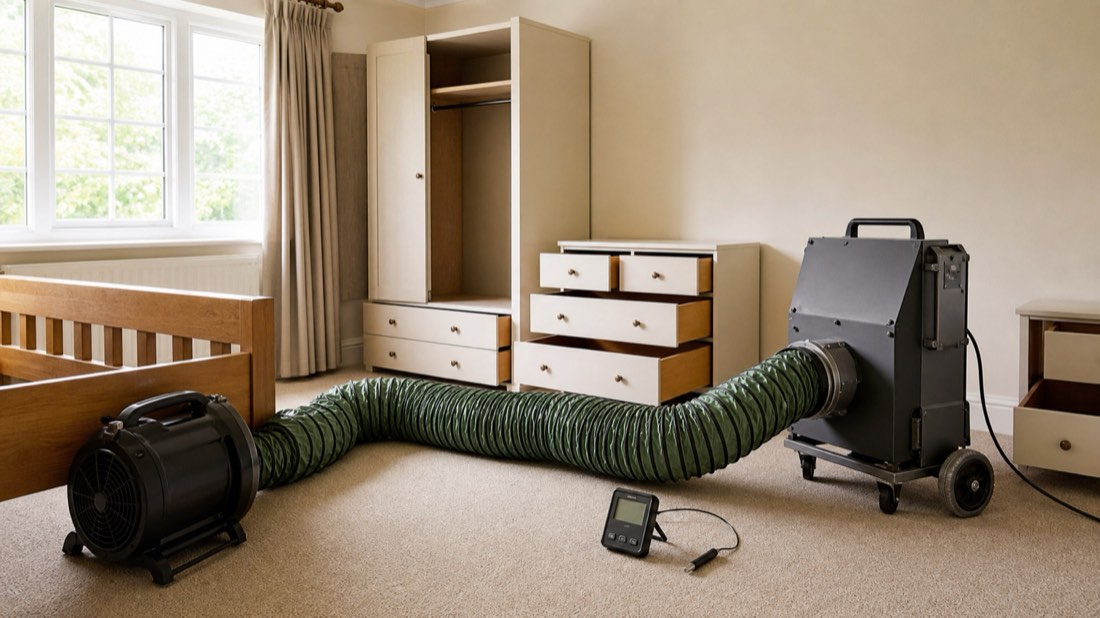
Heat treatment uses specialist kit to warm the treated areas to set temperatures. Technicians watch the hard-to-heat spots as they work. Heat can reach every life stage without relying on chemicals alone. However, the result depends on heat spread, time at heat, preparation and removing untreated refuges.
Ask which belongings must leave the room and how the team handles sensitive items. Ask where the sensors go. Check whether the price includes a residual treatment or a follow-up visit. Our full guide to bed bug heat treatment covers these questions in detail.
Authorised insecticides
Pro plans may use one or more approved products for the setting. Placement, resistance, preparation and follow-up all affect the result. The NHS warns that bed bugs can be hard to get rid of and may be resistant to some insecticides.
The HSE states that users are responsible for using biocides correctly. They should also check that a product suits its intended purpose. Household users should follow the label, while trained operators handle professional application. Read more in our guide to chemical bed bug treatment and safe product use.
Physical controls
Vacuuming, steam, laundering, containment and encasements can all support a wider plan. Each does one job.
For instance, a vacuum removes what it reaches, and steam affects the surfaces it touches. An encasement changes how bed bugs reach a mattress. None of them proves that you have dealt with every hidden spot.
See our guide to steam treatment for bed bugs for its uses and limits.
What does fumigation mean?
Many people search for bed bug fumigation. Many people use the word to mean any professional treatment, so a quote that just says fumigation does not tell you the method.
Ask the provider to name the method in writing. Is it controlled heat, an authorised insecticide, steam, or a mix? Then ask how it reaches hiding places and what follow-up is included. Therefore, treat any quote that only says “fumigation” as incomplete.
Comparing the methods
| Method | What it does | Watch for |
|---|---|---|
| Controlled heat | Warms the treated areas to set temperatures | Heat spread, time at heat, belongings that must leave the room |
| Authorised insecticide | Kills bugs that contact or cross treated surfaces | Resistance, placement, label rules, re-entry advice |
| Steam | Treats the surfaces it touches | It does not reach hidden gaps on its own |
| Vacuuming and encasements | Remove bugs and limit hiding places | They support a plan but do not replace one |
See the full guides to heat treatment, chemical treatment and steam treatment. A mattress encasement can also help once treatment is under way.
Getting ready
Preparation can make or break a treatment. For example, careless moving of belongings can carry bed bugs into clean rooms. Follow your provider’s written list, since it is specific to your home. Read our guide to preparing for bed bug treatment before you start.
Questions for a quote
- What evidence did you find, and which rooms does the quote cover?
- What preparation do I need to do, and what should I leave alone?
- Which methods and authorised products will you use?
- How do you protect pets, children and sensitive belongings?
- How many visits and inspections does the price include?
- What does the warranty cover, and what could void it?
- What evidence will show that the bed bugs have gone?
Compare the written answers, not just the headline price.
How to choose a provider
GOV.UK lists hiring a pest controller as one option and points to the British Pest Control Association as a place to find one. It also says your council may offer pest control, and that a fee may apply. The council route is in England and Wales only on GOV.UK’s finder, so read our guide to council pest control.
Whoever you pick, ask the questions above and get the answers in writing. Compare the scope, the method and the follow-up before you compare the headline price. Our guide to bed bug treatment cost shows what drives the price. Also be wary of any quote that skips the inspection.
What you can do yourself safely
The NHS says bed bugs are very difficult to remove yourself, and that self-help is unlikely to clear them completely. However, some steps still help:
- Wash infested bedding and clothing at 60C, then tumble dry on high for at least 30 minutes.
- Bag items that cannot be washed and freeze them for 2 to 3 weeks.
- Vacuum often and cut clutter around the bed.
If you use a biocide product, the HSE says to check the label for an authorisation or approval number. It also says to read the label and follow it closely. Members of the public should use only products meant for general public use. Professional-only products must not be used at home.
Our guide to home products goes further.
After treatment
Keep checking for several weeks. However, if signs return, do not repeat random sprays. Read our guides on what to do after treatment and on treatment that is not working.
Need a pest controller?
This site is an independent guide. It does not treat homes itself.
If you send an enquiry through our request help page, we pass it to a UK pest control company that covers your area. We may receive a fee for the referral. The company is an independent business, so confirm the scope, method, price and follow-up directly with it.
Help in major UK cities
Council services and renting rules differ by place, so local help matters. For local starting points, see our pages on bed bug help in London, Birmingham, Manchester, Glasgow, Cardiff and Belfast. Each page explains the council route and renting rules for that city.
Every guide in bed bug treatment
- Bed bug heat treatment: how it works and what to askA technical explanation of controlled heat that does not promise one machine, one temperature or one visit suits every property.
- Chemical bed bug treatment and safe product useA safety-first explanation of residual and contact products that does not turn general information into an unsafe application recipe.
- Home bed bug products, powders and sprays: safety and limitsWhat shop-bought sprays, powders and foggers can and cannot do against bed bugs, how to read a label, and which risky shortcuts to avoid.
- How much does bed bug treatment cost in the UK?A quote-comparison guide covering rooms, method, access, follow-up, monitoring, preparation and warranty, rather than one unreliable headline figure.
- How to prepare for bed bug treatment safelyPreparation should make harbourages accessible while keeping possibly affected belongings contained and in line with the chosen treatment method.
- Mattress encasements and interceptors: what they can and cannot doA plain guide to sealed mattress covers and climb-up interceptors: how they work, how to use them, and the limits you should plan around.
- Professional bed bug treatment: what to expectA buyer's guide to the information, preparation and follow-up that should sit behind a professional bed bug treatment quotation.
- Steam treatment for bed bugs: useful role and limitsSteam can be a useful physical control on suitable materials, but it treats only the surfaces and gaps it reaches correctly.
- What to do after bed bug treatmentAftercare is a planned observation period. Follow the provider's instructions, keep useful monitors in place and report fresh evidence accurately.
- Why bed bug treatment may appear not to be workingA structured review of fresh evidence, scope, products, visits and movement before you pay for repeated, unspecific treatment.
Questions people also ask
What is the best treatment for bed bugs?
There is no single best method for every property. The right plan depends on the evidence, the room layout, your belongings, access and any past treatment. It also depends on whether the provider can monitor and follow up.
Can one treatment visit be enough?
It depends on the method and the circumstances. A responsible quote says whether it covers follow-up and what would trigger extra work. It should not promise a set number of visits.
Should I treat every room?
The area you treat should follow the inspection evidence and the risk of spread. Treating a random area can waste money. However, ignoring linked rooms can leave hiding places untouched.
What is bed bug fumigation?
People often search for fumigation when they mean professional extermination. The word alone does not tell you which method a provider will use. Ask any provider to name the exact method in writing, such as controlled heat, an authorised insecticide or steam. Then ask how it reaches hiding places and what follow-up it includes.
What happens at a bed bug inspection?
The inspector searches the bed, furniture and other places where people rest for live bugs, cast skins and droppings. They should record what they find and which rooms are affected. That record becomes the basis of the treatment plan and lets you compare progress at follow-up.
Can I get rid of bed bugs myself?
The NHS says bed bugs are very difficult to remove yourself and that self-help is unlikely to clear them completely. You can still help by washing bedding and clothes hot, vacuuming and reducing clutter. Follow any product label exactly.
Sources and review notes
This page is written by the BedbugExtermination.co.uk editorial team. It has not yet been reviewed by an independently named pest-control professional. Health and pesticide statements are kept within the scope of the official sources below.
- Bedbugs
NHS - Using biocides safely
Health and Safety Executive - Pest control on your property
GOV.UK - Find out about pest control
GOV.UK