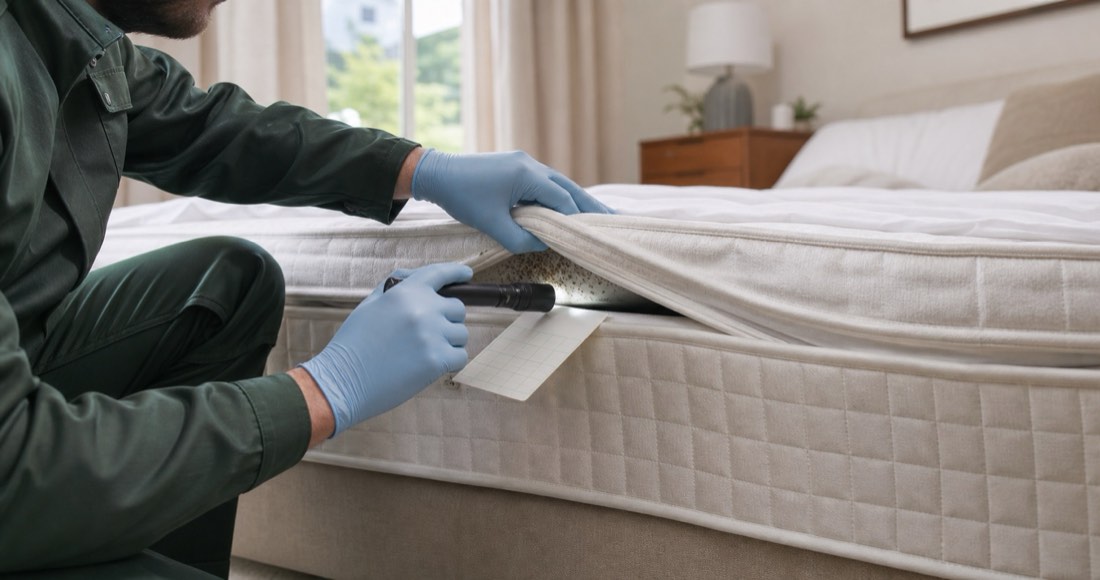
- Bag and label items before you carry them through the home.
- Follow care labels and do not expose unsuitable items to heat.
- Keep processed and untreated possessions physically separate.
- Agree the laundry scope with the treatment provider first.
Agree the plan before emptying wardrobes
Prep steps should match the area and the treatment method, because plans differ. Some plans need wide access and washed clothes. Others name a smaller set of items. If you empty every cupboard before the provider explains the plan, you can spread your things and end up with piles of unlabelled bags.
Ask which wardrobes, drawers, soft furnishings and stored bags are part of the plan. Check what should stay in the room for heat treatment and what must leave for another method. Ask how the provider handles delicate items. If you have no provider yet, your council’s pest-control service may be a place to start.
Set up three groups
Make a simple system before anything moves:
- Untreated: not yet washed or checked.
- Processed: done using the agreed method.
- Needs a decision: delicate, electrical, leather, dry-clean-only or otherwise unsuitable for a normal wash.
Use strong bags or boxes that close. Label each one with the room, the group and the date. Coloured tape is easier to follow than memory. Never put a clean garment back in an untreated basket.
Moving laundry
Bag items in the affected room, because an open basket drops insects on the way. Do not shake the fabric. Take the closed bag straight to the machine and load it with care. Then bin the carry bag or keep it apart, so it never becomes the clean bag.
Follow the care label, since heat can ruin some fabrics. The NHS advises washing affected bedding and clothing on a hot wash (60°C) and tumble drying on a hot setting for at least 30 minutes. This is general advice for everyone. It does not mean you should ruin a fabric that cannot take that heat.
While you use a shared laundry room, keep bags shut until you load them. Lift clean items straight into a clean box. Wipe up any visible dirt from the work area, and do not leave loose items on shared surfaces. If your building has this problem, see our guide to bed bugs in flats.
Heat-sensitive and unusual belongings
Shoes, bags, helmets, books, instruments, medicine and electronics each need their own decision because heat can damage them. Do not put them in ovens, microwaves, homemade heat boxes or freezers. Use a method only if it works for the whole item and suits what it is made of.
The NHS mentions freezing affected items in a sealed bag for two to three weeks. However, home freezers, thick items and changing temperatures all vary. Talk to the treatment provider about valuable or delicate things, and keep their instructions in writing.
Storage after washing
Keep washed items sealed and away from the treatment area until the provider says they can return, since insects can get back on them. Store daily essentials in a few clearly marked boxes. This way you open fewer bags, and later checks are easier.
Do not press clean bags against the untreated bed or furniture. Pick a set clean area. Leave space round walls and furniture because the provider may need to reach them.
After treatment
Follow the return and cleaning advice before you unpack. Some sprays must stay untouched for a set time. Bring your things back slowly, and check storage areas as you go. Keep your labelled record until the follow-up visit shows the plan is complete.
Laundry helps. However, it does not prove your home is clear. The whole plan of checks, treatment and follow-up decides success.
Related guides
Furniture can hold bed bugs too, so read our advice on sofas and upholstery. If the problem started at work, see bed bugs in workplaces. Back from a trip? Follow our guide to luggage after travel. Cars can carry them as well, so see bed bugs in cars.
You can find more guides in our bed bug help hub. Local services differ too. For example, read about bed bug help in Glasgow, the council route in Edinburgh, or council pest control in Manchester.
Questions people also ask
Do bed bugs live in clothes?
They usually prefer protected hiding places near resting hosts. However, clothing and bags can carry them. Items stored close to an affected bed may need to be part of your preparation.
What temperature kills bed bugs in laundry?
The NHS advises washing affected bedding and clothing on a hot wash (60°C) and tumble drying on a hot setting for at least 30 minutes. However, always check the item's care label and your provider's instructions.
Should I wash every item in the house?
Not automatically, because the scope should follow the affected rooms, storage places and treatment method. Unplanned whole-house laundry can move items around and add needless cost.
Sources and review notes
This page is written by the BedbugExtermination.co.uk editorial team. It has not yet been reviewed by an independently named pest-control professional. Health and pesticide statements are kept within the scope of the official sources below.
- Bedbugs
NHS