- Do not carry unsealed belongings around the property while you investigate.
- Photograph physical evidence and note exactly where you found it.
- Your housing and travel situation changes who you should tell.
- Use a focused inspection to decide whether you need professional confirmation.
Start with the situation, not the fear
The same suspected insect can need different steps in a house, a flat, a hotel or a rental. Still, the first rules stay the same. Do not spread anything, collect proof and keep a simple note.
A photo of a skin reaction cannot show bed bugs because many things cause marks. Look instead for live insects, shed skins, eggs or dark spots near mattress seams, the bed frame, the headboard and nearby furniture. Note the room, the item and the exact spot for each find.
If you are at home
Keep your search close to where people sleep or rest, because that is where bed bugs feed. Do not empty drawers into other rooms, and do not bin a mattress before you know how far the problem goes. Bagging a few items can help, but random bagging makes a big pile that is hard to treat.
Start with the ten-step bed check. Then compare anything you find with the identification guide. If you catch an insect, seal it in a clear pot or under clear tape so someone can look at it. Our guide on what to do first lists the first steps and the mistakes to avoid.
If you have just travelled
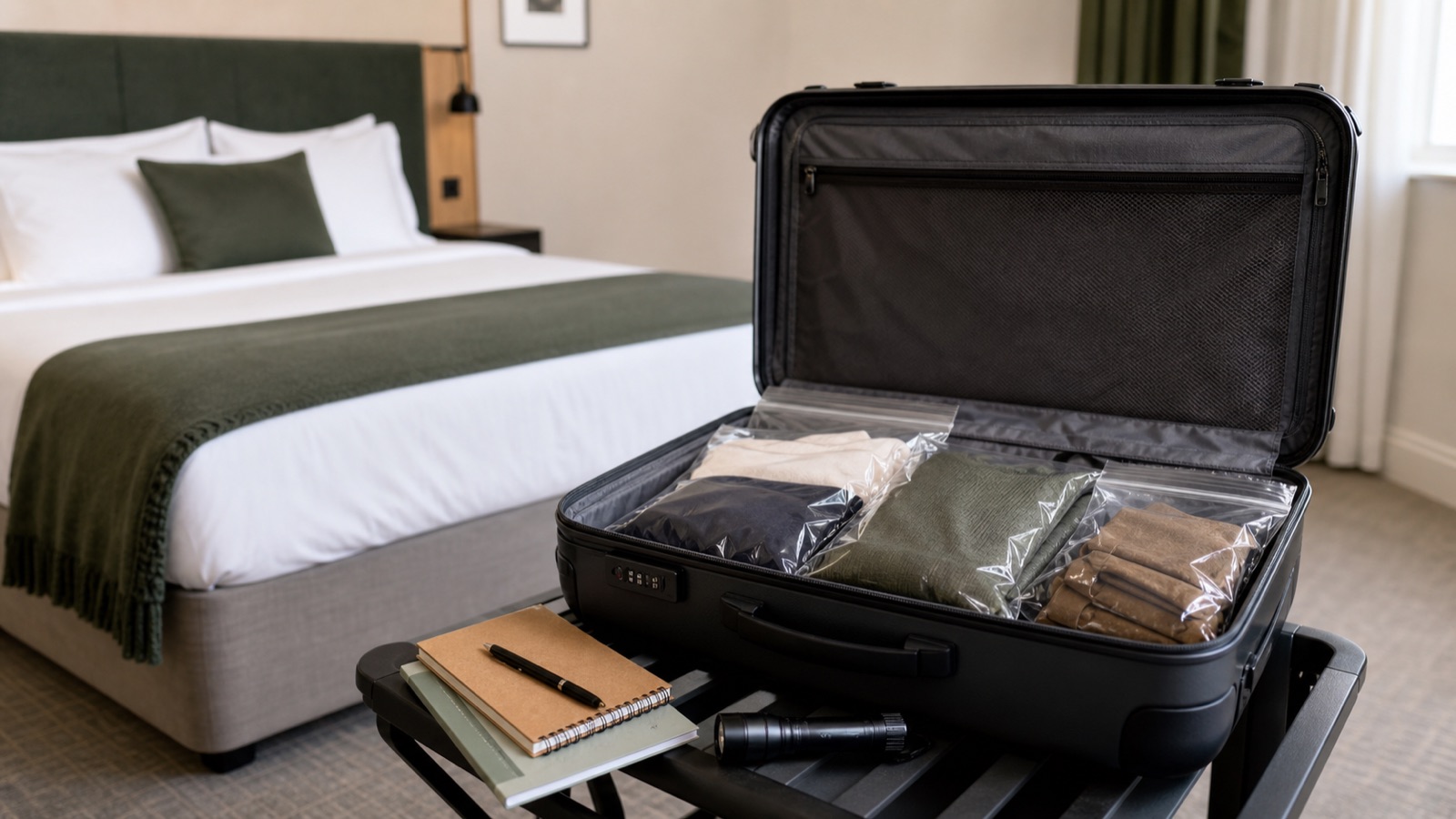
Keep your bags away from beds and sofas until you have checked them. Work on a hard, bright surface because you can see small insects there. Sort your clothes without shaking them out in the house. Then follow the care label on each item. Our guide to bed bugs after travel walks through the whole routine.
Tell the hotel or host quickly if you found signs there. Give the room number, the date and a plain description. Do not blame them from bites alone, since bites can have other causes.
If you live in a flat or shared building
Start in your own bedroom. However, remember that nearby homes matter. Bed bugs travel on belongings, and they may use gaps or pipe routes. A joint check often works better than neighbours using different products in secret. Our guide to bed bugs in flats explains how.
Report clear or likely signs to your landlord, agent or housing provider in writing. Add dates and photos. Ask who will arrange the check, and keep a copy of every reply.
If you rent
Do not wait for a row about who pays before you report the problem. The cause and the blame can depend on facts you cannot see yet. Send your proof, ask for a written plan and avoid steps that spread the insects. Our guide to reporting bed bugs in a rented home gives more detail.
Local councils may offer pest control, although services and charges vary. GOV.UK says to contact your local council to find out whether it offers pest control, and that it may charge a fee. GOV.UK lists its council pest-control finder as available in England and Wales only. In Scotland and Northern Ireland, check your council or the Northern Ireland Housing Executive directly.
Find help in your city
Councils and local rules differ, so it helps to see how your area works. We have pages on bed bug help in London, the council route in Birmingham and what to do in Manchester. We also cover bed bug help in Glasgow, Cardiff and Belfast. Each page explains the local council route and the rules for renters in that nation.
Keep a useful record
Write down the date, room, item and sign. Save your photos at full size, since small copies hide detail. If a professional visits, ask for their findings, the plan, the prep steps, the methods, the safe return advice and the follow-up dates in writing.
This record helps you decide what to do, but it never replaces urgent medical help. Call NHS services if a skin reaction is painful, very swollen, infected or worrying.
Every guide in bed bug help
- Bed bugs after travel: inspect luggage without spreading themA room-by-room travel return plan: keep luggage off beds, inspect on a hard surface, separate clothing and report evidence without relying on bites alone.
- Bed bugs in clothes: laundry, bagging and storageA controlled laundry workflow that reduces movement, protects delicate items and stops preparation turning into a confusing house-wide bagging exercise.
- Bed bugs in flats: inspection, neighbours and coordinationA flat-specific guide to inspecting your home, reporting evidence and avoiding disconnected treatments that overlook risk in adjoining homes.
- Bed bugs in hotels and holiday lets: checking a roomA quick, practical room check for hotels and holiday lets, plus what to do if you spot bed bug signs while away or after you return.
- Bed bugs in rented homes: reporting and responsibilityA practical reporting framework for tenants and landlords, with evidence records, access questions and treatment details to confirm in writing.
- Bed bugs in student accommodation and hallsA student-focused guide to spotting bed bugs, reporting them to halls or a landlord, and avoiding the mistakes that spread them.
- Council pest control for bed bugs: how it works in the UKCouncil pest control varies across the UK. Learn how to find out whether your council treats bed bugs, what to ask, and what to do if it does not.
- How to get rid of bed bugs (UK): what to do firstThe first useful actions are small and controlled: stop moving items, record the sign, inspect around the bed and avoid unplanned pesticide use.
- Landlord and tenant responsibilities for bed bugs across the UKWho pays and who acts when bed bugs appear in a rented home, and how the rules differ between England, Wales, Scotland and Northern Ireland.
- Second-hand furniture and bed bugs: checking before it comes homeBargain furniture can bring bed bugs home. Learn where to look, which items to avoid and what to do if you already have a secondhand piece.
Questions people also ask
What should I do immediately if I think I have bed bugs?
Keep sleeping belongings where they are because moving items can spread bed bugs. Inspect the bed area. Keep any possible specimen or clear physical evidence so someone can identify it.
Should I sleep in another room?
Moving to another sleeping area may change where bed bugs look for a host, and it can complicate the treatment map. Ask a qualified pest professional for advice on your situation before you move routinely.
Can this website diagnose my home?
No, because a website cannot see your home. The guides help you organise evidence and questions. Confirmation needs a suitable specimen, clear physical signs or an inspection by a competent professional.
Sources and review notes
This page is written by the BedbugExtermination.co.uk editorial team. It has not yet been reviewed by an independently named pest-control professional. Health and pesticide statements are kept within the scope of the official sources below.
- Bedbugs
NHS - Pest control on your property
GOV.UK - Pest control
GOV.UK