- Report suspected bed bugs quickly to halls staff or your landlord.
- Do not move to another room or tidy up before an inspection.
- Keep clothes off the floor and wash and heat-dry bedding regularly.
- Check second-hand items and luggage before they enter your room.
Why students are often caught out
Student life involves a lot of moving around. You arrive with luggage, share kitchens and laundries, visit friends and buy furniture on a budget. Bed bugs spread by hitchhiking on people, luggage and furniture, so busy halls give them plenty of chances.
One university’s protocol notes that it is not always possible to prevent bed bugs. However, it also says good habits cut the risk. Spotting a problem early matters most, because small numbers are easier to deal with.
Know the signs
The NHS describes bed bugs as small insects about 5mm long, dark yellow, red or brown. They hide in bed frames, mattresses, furniture and clothing. Bites often appear on skin that is exposed while you sleep, such as the face, neck and arms, and they may come in lines or clusters.
Be careful, though. The same protocol points out that other insects cause bites too, especially in summer when windows stay open. For that reason, look for other signs. Blood marks on bedding and shed skins are two examples.
Report it quickly
Because speed matters, tell your accommodation office, housekeeping team or resident mentor as soon as you suspect a problem. In a private house, tell your landlord or letting agent in writing and keep a copy. Photograph anything you find.
The St Mary’s University protocol is one example of how halls can work. Staff inspect the room, and they bring in an outside pest controller if they suspect bed bugs. Attendance is usually within 24 to 48 hours. Your university may follow a different process, so read its own guidance.
What not to do before an inspection
This protocol asks students not to clean or tidy their room or belongings until staff or the pest controller have given guidance. It also asks them not to move to another room, not to let other people in and not to enter other bedrooms. The reason is simple: moving things and people around is how bed bugs spread.
That can feel hard when you cannot sleep. Even so, wait for advice, and ask staff about a safe place to stay. If you have a temporary option, ask before you take it.
Protect your belongings and your room
Small habits help because they remove hiding places. For example, the protocol suggests reducing clutter and vacuuming often, which leaves fewer hiding places. It also suggests washing and heat-drying bedding and clothes, and keeping clothes off the floor and the bed by using hangers or hooks.
The NHS recommends washing bedding and clothes hot and tumble drying them. Read the care label, because heat can damage some fabrics. Our guide to clothes and laundry explains this in more detail. Soft furnishings need care too, so see the page on sofas and upholstery.
Be careful what you bring in
Do not carry items found on the street into halls. For instance, the protocol says that even clean-looking things may not be clean, and that you should inspect second-hand items thoroughly. Our guide to second-hand furniture shows what to check.
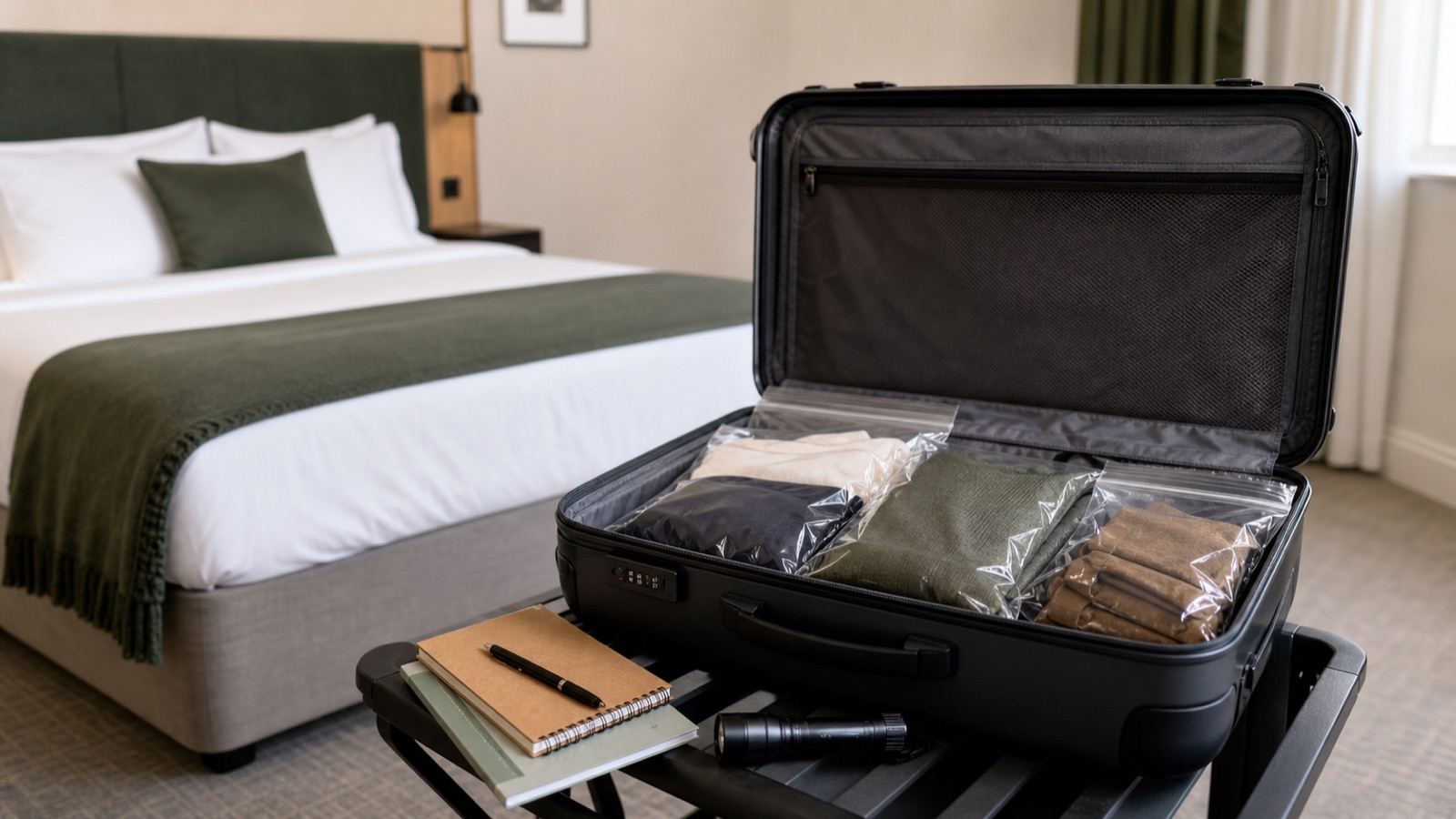
Travel is another route, so inspect luggage when you unpack after a holiday or trip home, and keep it away from your bed. Cars can carry bugs too, so read about bed bugs in cars.
Pets and visitors can matter as well. Therefore, if you share a house with a pet, see what we say about bed bugs and pets. Parents visiting with younger children may want our page on bed bugs and children.
A simple checklist for the start of term
A short routine at the start of the year helps. Check the mattress seams and bed frame before you unpack. Keep your suitcase on a hard surface, not on the bed. Take photos of the room when you arrive, because they show what condition it was in.
Then report anything odd on day one. Waiting can make a small problem harder to fix, and early reports also protect you if a dispute about charges arises later.
Money and support
Cost worries stop some students reporting early.
However, the St Mary’s protocol says the university will in most cases cover inspection and treatment. It may add charges if a student does not follow the protocol. It also says students facing extra costs may get help from its student funding service. Other universities set their own rules, so check yours.
In a private rental, however, Shelter England says a landlord must deal with a pest infestation caused by a repair they must fix. The same applies when the home was not pest-free at the start. Tell them as soon as you notice, and keep paying rent. If they do not act, contact your council’s pest control or environmental health team.
Sharing a house or kitchen
Shared spaces need extra thought. Tell your housemates if you find signs, because bed bugs can move between rooms. Do not swap bedding or borrow a mattress topper while you wait for an inspection. In shared laundries, carry clean items in a sealed bag, so they do not pick anything up on the way back.
Be open about it, since hiding a problem only lets it grow. Most people have no idea how common bed bugs are, and a calm, factual message works best.
Where to look for local help
Many student cities have a council pest control service. See our pages on council pest control in Glasgow, Leicester, and Bradford for what each council says about bed bugs. Our bed bug help hub covers every other situation.
This site is an independent guide, and we do not treat rooms ourselves. If you want help, you can ask for help and we will pass your enquiry to a UK pest control company that covers your area. We may receive a fee for this. The company is an independent business.
Questions people also ask
Are bed bugs a sign that my room is dirty?
No. The NHS says bed bugs are found in both clean and dirty places. They travel on luggage, clothes and furniture, so any room can be affected.
Can I sleep in a friend's room until it is sorted?
Probably not. One university's protocol tells students not to move to another room until theirs is inspected, because moving can spread bed bugs. Check what your own halls say.
Who pays for treatment in halls?
It depends on your contract. One university protocol says it will usually cover inspection and treatment, but it can charge a student who does not follow the protocol. Read your accommodation agreement.
What if I rent a private student house?
Tell your landlord at once. Shelter says landlords must deal with pests that were there when you moved in or that come from repairs they must fix. If they do not act, ask the council.
Sources and review notes
This page is written by the BedbugExtermination.co.uk editorial team. It has not yet been reviewed by an independently named pest-control professional. Health and pesticide statements are kept within the scope of the official sources below.
- Bed bugs protocol (university managed accommodation)
St Mary's University, Twickenham - Bedbugs
NHS - Pests and vermin infestations in rented homes
Shelter England